Sunscreen While Hiking: The Right Way to Protect Your Skin Outdoors
Author:Mike Fakunle
|
Released:October 11, 2025
Sunscreen while hiking is not the same as sunscreen on a normal day. Sun exposure on trails is stronger, lasts longer, and often hits areas people forget to protect.
Many hikers end the day with burns, skin irritation, or long-term damage because sunscreen was used the wrong way. The sections below cover how to choose, apply, and maintain protection on the trail without missing anything important.
Why Sunscreen While Hiking Needs a Different Approach
Hiking exposes skin to sunlight for hours without shade or breaks. Open trails, ridges, and valleys increase sun exposure even on cool days.
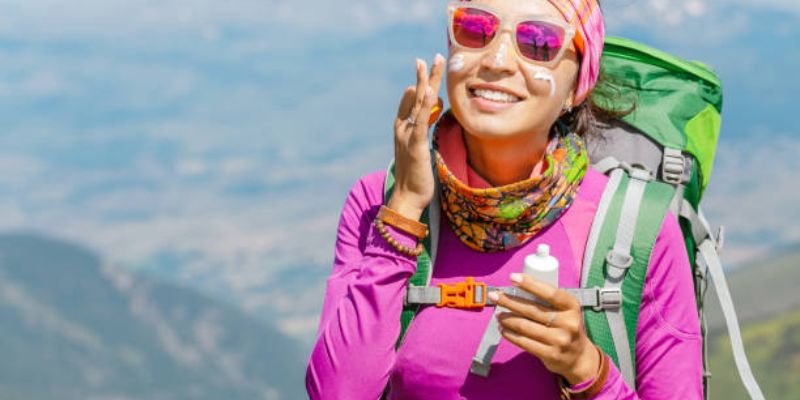
Sweat, wind, and friction from clothing remove sunscreen faster than daily activities. At higher elevations, ultraviolet radiation is stronger and penetrates skin more deeply, making sun protection hiking habits essential for safety.
Unprotected skin can lead to painful burns, early aging, and higher long-term skin cancer risk, which is why consistent sunscreen use while hiking matters.
Choosing the Right Sunscreen for Hiking Conditions
SPF Levels That Actually Work on Trails
A hiking sunscreen should have SPF 30 or higher. Lower levels wear off too fast during long exposure. SPF 50 offers extra protection for full-day hikes or intense sun.
Higher SPF does mean no reapplication. Sunscreen reapplication is still required, especially with sweat and movement.
Why Broad-Spectrum Coverage Is Non-Negotiable
Broad-spectrum sunscreen protects against both UVA and UVB rays. UVA rays age skin and penetrate clouds, while UVB rays cause burns.
Sun exposure patterns discussed by major public health sources, such as skin damage from daily ultraviolet exposure, show that long outdoor activities demand full-spectrum protection.
Water-Resistant and Sweat-Resistant Explained
Water-resistant sunscreen lasts longer during sweating, but still breaks down. Most formulas last 40 or 80 minutes under moisture.
Hiking sunscreen labeled water-resistant gives better coverage during climbs, but sunscreen reapplication is still required on schedule.
Mineral vs Chemical Sunscreen for Hiking
Mineral sunscreens sit on top of the skin and reflect rays. They work immediately and are often better for sensitive skin.
Chemical options absorb rays and feel lighter. Both can work for sunscreen while hiking if labeled broad-spectrum sunscreen and reapplied correctly.
Best Sunscreen Formats for the Trail
Creams provide even coverage and last longer. Sticks work well for the face, ears, and nose. Sprays are convenient but easy to underapply.
For sun protection hiking routines, creams and sticks are more reliable than sprays.
How to Apply Sunscreen Correctly Before Hiking
Timing Sunscreen Application
Apply sunscreen 15 to 30 minutes before starting the hike. This allows proper bonding to the skin and reduces early breakdown.
This timing applies to both hiking sunscreen and daily use, but it matters more when exposure starts immediately.
How Much Sunscreen Is Enough
Most people apply half the needed amount. A full ounce covers the body for most adults.
Face, neck, arms, and legs need special attention when using sunscreen while hiking.
Areas Commonly Missed on the Trail
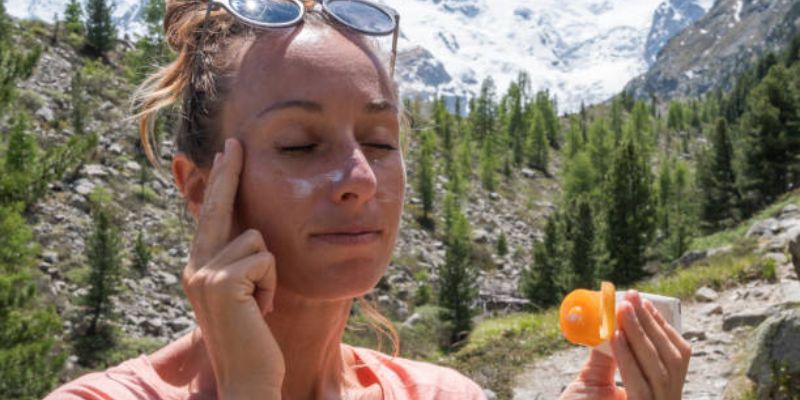
Ears, back of the neck, lips, scalp lines, tops of feet, and hands burn easily.
Medical guidance summarized through widely shared skin health recommendations found on preventing outdoor sun damage emphasizes these areas for long outdoor exposure.
Face vs Body Application
Use a dedicated face sunscreen if possible. Facial skin sweats more and reacts faster to irritation.
Hiking sunscreen for the body should be thicker and more resistant to rubbing.
Using Sunscreen During the Hike Without Losing Protection
Sunscreen Reapplication Timing
Reapply every two hours at a minimum. Shorter intervals are needed with heavy sweating or wiping.
Sunscreen reapplication keeps protection active throughout long hikes and prevents delayed burns.
Reapplying With Sweat and Dirt
Pat sweat gently before reapplying. Avoid rubbing dirt into skin.
Using sticks for sunscreen while hiking helps reapply without needing clean hands.
Carrying Sunscreen on the Trail
Small tubes or sticks fit easily in side pockets. Heat exposure reduces effectiveness, so store sunscreen away from direct sunlight.
Damaged products lose sun protection and hiking reliability quickly.
Sunscreen Needs for Different Hiking Situations
High-Altitude Hiking
UV intensity increases with elevation. Broad-spectrum sunscreen with a higher SPF is required.
Sunscreen reapplication intervals should be shorter at altitude.
Hiking Near Water or Snow
Reflection increases UV exposure. Burns can happen faster even when temperatures feel cool.
Skin damage patterns documented through long-term sun exposure risks show a higher risk near reflective surfaces.
Cloudy or Cool Weather Hiking
Up to 80 percent of UV rays pass through clouds. Hiking sunscreen is still necessary.
Cool air hides sun damage until hours later.
Cold-Weather and Winter Hiking
Snow reflects sunlight upward toward the face. Lips, nose, and chin need extra protection.
Broad-spectrum sunscreen remains essential year-round.
Protecting Sensitive Skin While Hiking
Sunscreen for Sensitive Skin
Mineral formulas reduce irritation and are often fragrance-free.
Patch testing before hiking prevents reactions far from help.
Avoiding Eye Irritation
Avoid applying sunscreen too close to the eyes. Use sticks or mineral formulas around the eye areas.
Sweat carries sunscreen into the eyes during climbs.
Lip Protection on the Trail
Use SPF lip balm and reapply often. Lips burn quickly due to thin skin.
Sun protection hiking routines often overlook lips entirely.
Handling Skin Reactions on the Trail
Rinse gently with clean water if irritation occurs. Stop using the product and cover skin if needed.
Common Sunscreen Mistakes Hikers Make
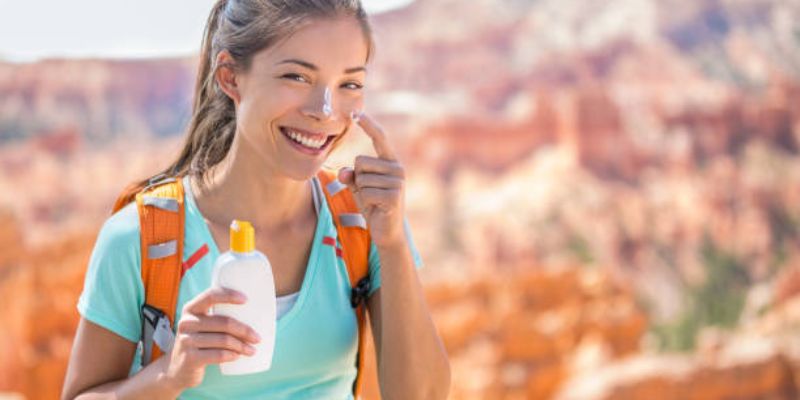
Using too little sunscreen leaves skin exposed. Morning-only application fails during long hikes.
Expired sunscreen breaks down and loses effectiveness. Heat damage also weakens formulas.
Relying only on clothing without sunscreen while hiking leaves exposed skin vulnerable.
Combining Sunscreen With Other Sun Protection
Hats, sunglasses, and UPF clothing reduce exposure but do not replace sunscreen.
Sun protection hiking strategies work best when sunscreen fills gaps that clothing cannot cover.
Early morning or late afternoon hiking reduces peak UV exposure.
Using Sunscreen While Hiking the Right Way Every Time
Sunscreen while hiking works best when chosen carefully, applied fully, and reapplied consistently. Hiking sunscreen must match terrain, weather, and duration.
Broad-spectrum sunscreen combined with proper sunscreen reapplication protects skin during short walks or full-day hikes. Sun protection hiking habits reduce burns, prevent long-term damage, and keep outdoor adventures safer.
Sources
Centers for Disease Control and Prevention
Related Posts
Guides and Tips
Night Hiking Skills: How To Use Your Headlamp Without Losing Night Vision
Outdoor Gear
What to Pack for a Day Hike: Essential Gear You Shouldn't Forget

Destinations
10 Hidden Hiking Gems in Italy Most Tourists Don’t Know
Destinations
Top Beginner-Friendly Hikes in the Swiss Alps That Anyone Can Enjoy

Guides and Tips
Best Hiking Sunglasses for UV Protection That Keep Eyes Safe on Every Trail
Destinations